Steplly
How to Stay Motivated to Walk Every Day
Motivation naturally comes and goes. Learn practical ways to make daily walking easier to start, more enjoyable, and easier to stick with.

How to Stay Motivated to Walk Every Day
Knowing that walking is good for you does not automatically make you want to go for a walk every day.
Some days, getting outside feels easy. Other days, the sofa wins.
The goal is not to stay highly motivated all the time. A more useful approach is to create enough reasons, variety, and flexibility that walking remains something you can return to even when motivation is low.
Why motivation comes and goes
Motivation is influenced by your energy, schedule, weather, mood, surroundings, and what else is competing for your attention.
That means a walking routine should not depend entirely on feeling motivated at the exact moment you need to start.
Instead, give yourself several different reasons to walk and make the first step as easy as possible.
1. Give yourself more than one reason to walk
A single goal can become repetitive. Try connecting walking with several things you actually value.
You might walk to:
- Get some fresh air
- Listen to a favorite podcast
- Spend time with a friend
- Explore a different part of your neighborhood
- Take a break from your screen
- Reach a personal step goal
- Clear your head after work
When one reason stops feeling motivating, another can take its place.
2. Make your goal flexible
A rigid goal can turn one difficult day into a reason to give up.
Instead of thinking that every walk has to be long or that every day has to look exactly the same, create different levels of success.
For example:
- Full day: Reach your usual step goal.
- Busy day: Take several short walks.
- Low-energy day: Take a short, easy walk simply to keep the routine going.
Flexibility makes it easier to continue without treating an imperfect day as failure.
3. Add variety before walking feels boring
Doing exactly the same route at the same pace every day can become predictable.
Change one thing at a time:
- Try a different route.
- Walk in a new neighborhood.
- Visit a park or pedestrian area.
- Walk at a different time of day.
- Listen to music one day and a podcast the next.
- Walk alone sometimes and with someone else when possible.
You do not need a completely new routine. Small changes can make familiar activity feel less repetitive.
4. Walk with someone
Walking can become easier to look forward to when it is also social time.
Invite a friend, family member, or colleague to join you. You can also arrange a regular walking time so that someone else is expecting you.
The social part does not have to be complicated. A short walk together can be enough.
5. Use small milestones instead of waiting for a big result
Large goals can take time to feel rewarding.
Give yourself smaller milestones to notice along the way. You might celebrate completing several walks in a week, reaching a new personal step total, or simply getting outside on a day when you did not feel like it.
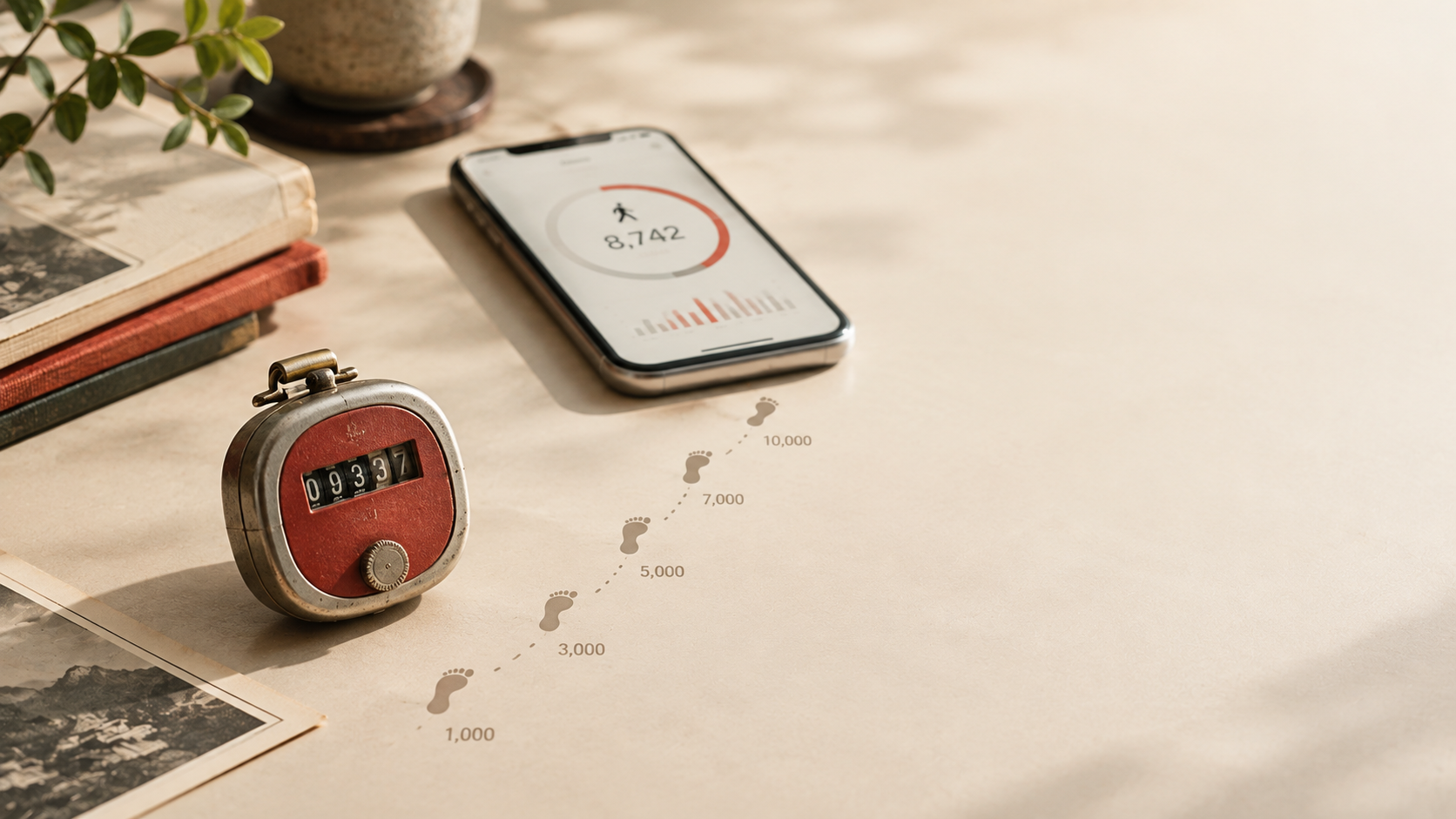
Tracking progress can make those small wins easier to see.
With Steplly, you can use step tracking, goals, streaks, challenges, and achievements to make your progress more visible.
6. Turn walking into something you look forward to
Pair walking with something enjoyable.
For example, save a favorite podcast for your walks, create a playlist you only use while walking, or choose a café, bookstore, viewpoint, or other destination that gives you somewhere to go.
The walk does not have to be the only reward.
7. Make the first five minutes easy
When motivation is low, thinking about a long walk can make starting feel harder than it really is.
Try making the first commitment smaller: put on your shoes and walk for five minutes.
After five minutes, you can decide whether you want to continue. Sometimes starting is the hardest part; other times, five minutes is all you need that day.
Either outcome is useful because you have made walking easier to begin.
8. Keep your walking options visible
Reduce the number of decisions you need to make.
Keep your walking shoes somewhere easy to see. Know where you can take a short walk near home or work. Have a few routes in mind for different amounts of available time.
When the choice is already made, starting requires less planning.
9. Use challenges when you need a fresh reason
If your motivation has stalled, a challenge can give your walking routine a temporary sense of purpose.
You could challenge yourself to complete a certain number of walking days, reach a weekly step total, or gradually increase your average steps.
The point is not to compete with someone else's numbers. A useful challenge gives you something specific to work toward while keeping the activity enjoyable.
10. Expect low-motivation days
You will probably have days when you simply do not feel like walking.
That does not mean your routine has failed.
Have a backup plan for those days. A ten-minute walk around the block, a few short walks during the day, or simply getting outside for some movement may be enough to keep your routine connected to real life.
And if you genuinely need rest, taking a rest day is not the same thing as quitting.
11. Focus on consistency, not perfection
Motivation becomes easier to manage when you stop expecting every day to be your best day.
A sustainable walking routine can include long walks, short walks, busy days, rest days, and days when you do less than planned.
What matters is having a routine you can return to.
Instead of asking, "Did I do everything perfectly?" try asking, "What's the easiest useful walk I can do today?"
12. Let your goals change with you
Your ideal walking goal may not stay the same forever.
Your schedule, energy, environment, and priorities can change. Adjust your goals when necessary rather than abandoning walking because your old target no longer fits.
A flexible goal that works with your current life is often more useful than an ambitious goal that constantly feels out of reach.
A simple motivation plan
When you do not feel motivated, try this sequence:
- Choose the easiest version of your walk.
- Give yourself a reason to look forward to it.
- Start with five minutes.
- Continue if you feel like it.
- Notice the win, even if the walk was short.
On more motivated days, you can walk longer, explore somewhere new, or work toward a bigger step goal.
The objective is not to force yourself to walk the same amount every day. It is to make walking something you can keep coming back to.
Track your progress without letting it become pressure
A step tracker can help turn something invisible into something you can see.
You can use your daily steps to understand your patterns, set realistic goals, maintain streaks, and take part in challenges.
If you want to estimate how far or how long a particular number of steps represents, try the Steplly steps-to-distance and walking-time calculator.
Final thoughts
You do not need endless motivation to walk regularly.
Give yourself different reasons to walk, keep your goals flexible, add variety, involve other people, and make starting easy on difficult days.
Some walks will feel exciting. Some will feel ordinary. Some will be short.
They can all be part of the same routine.
The goal is not to feel motivated every day. The goal is to make walking easy enough to return to.
This article provides general information about walking and motivation. If you have a medical condition, significant pain, or concerns about starting or changing physical activity, consider speaking with a qualified healthcare professional.
Sources
- World Health Organization — Physical activity
- U.S. Centers for Disease Control and Prevention — Benefits of Physical Activity
Related to this article: Track Your Progress. Build Your Streak.